
Technical Services Hotline: +44 (0)845 6022553
Technical Services Hotline
Agricultural Solutions
+44 (0)845 6022553
technicalhotline@basf.com

As the demand for plant-based protein increases, the area of field beans has been steadily growing. Not only are they a profitable crop, but they also provide numerous benefits to the following crop and offer an opportunity for grass weed control.
This page will cover everything you need to know to successfully grow field beans, from establishment to harvest.
If light is limiting:
If water is limiting:
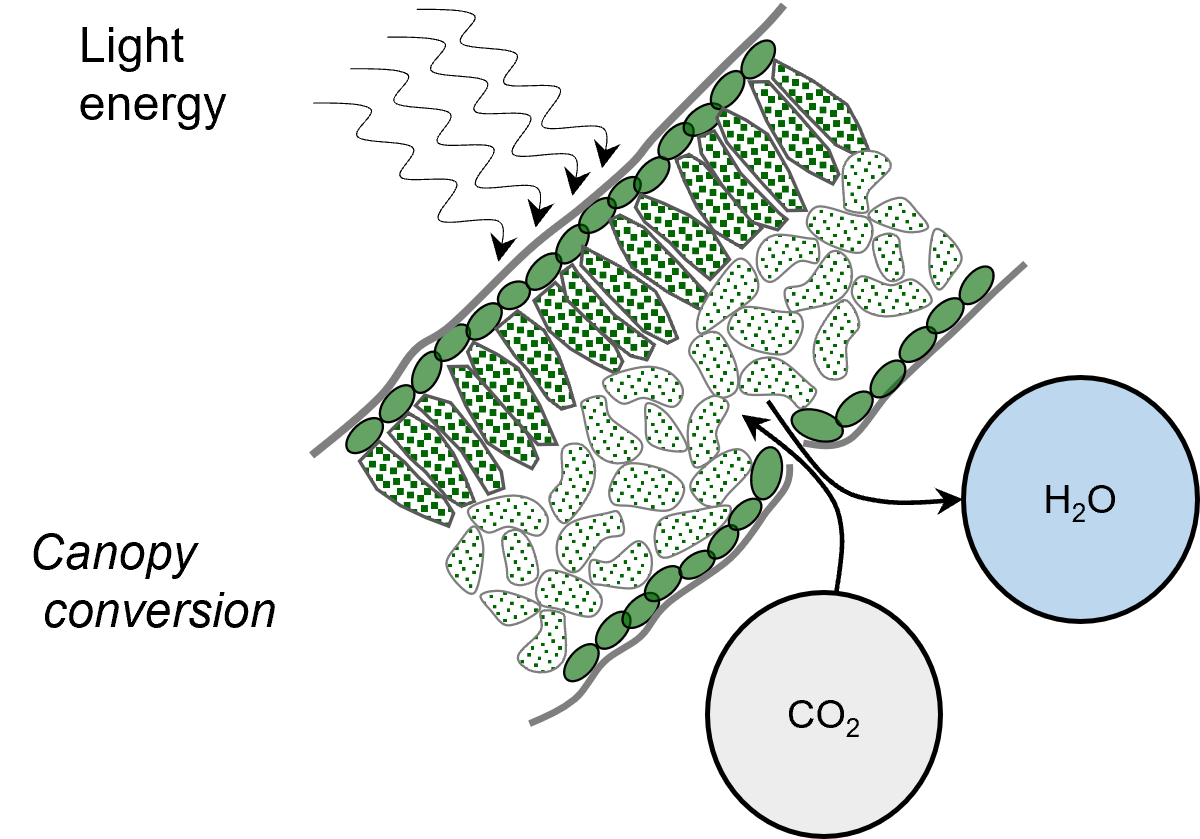
Canopy capture and conversion of natural resources
Light capture
Depends on the size of the green canopy and its longevity.
Water capture
Depends mainly on rooting depth, which is typically 0.7m for spring beans to 0.9m for winter beans, but could exceed 1m if soil depth allows.
The Harvest Index is the proportion of total crop biomass growth which is harvested as seed. Average Harvest Index (HI) for winter beans has been measured at 0.54 HI and 0.60 HI for spring beans.
Resource conversion
Rates of energy absorption, carbon dioxide fixation and water transpiration by leaf canopies are inherently linked (Figure 1), so light use, water use and biomass formation are roughly proportional. Benchmark rates of conversion by bean canopies are 1 tonne biomass per terajoule of light energy intercepted, and about 4 t/ha biomass per 100mm of water captured and transpired.
Nitrogen fixing crops must use some of the energy captured to fix nitrogen, hence their conversion efficiencies are less than non-nitrogen fixing crops. Resource conversion can be reduced if storage capacity for assimilate is insufficient, e.g. low number of seeds set (sink limitation).
N fixation is one of the biggest benefits of growing pulses in rotations. The amount of N fixed by pulses typically ranges between 150 to 240 kg N/ha, but can be as high as 300 kg N/ha. There are many factors which can influence this, some of which can be influenced by management.
Although pulses are known for relying on their symbiosis with Rhizobium for fixed N, they can also rely on soil mineral N (SMN). Typically, 50-60% of the total N uptake by pulses is from fixed nitrogen, but can reach as high as 70-80% in forage legumes. However, high concentrations of SMN (200-250 kg N/ha) will inhibit N fixation, which can reduce total N uptake from fixed N to 35-50%.
pH 6.5 is the optimal pH for N fixation to occur. Avoid soils becoming lower than pH 5.5.
N fixation is most effective when soil temperatures are between 7°C and 20°C. N fixing nodules develop around 3-5 weeks after plant emergence, so it’s worth bearing this in mind when thinking about sowing dates to time nodule development with the best temperatures for N fixation.
Deficiencies in mineral nutrition can reduce N fixation, especially P and Mo.
N fixation requires lots of energy, using about 30% of the energy captured by the plant through photosynthesis (Figure 3). It is essential to continue N fixation after flowering to supply enough N required for seed growth. This is dependent providing enough energy through photosynthesis during grain filling by maintaining green leaf area.
Any other factors which limit either root exploration of the soil or nodulation will limit N fixation, such as poor soil structure (i.e., compaction, dry soils, waterlogging) and salinity.
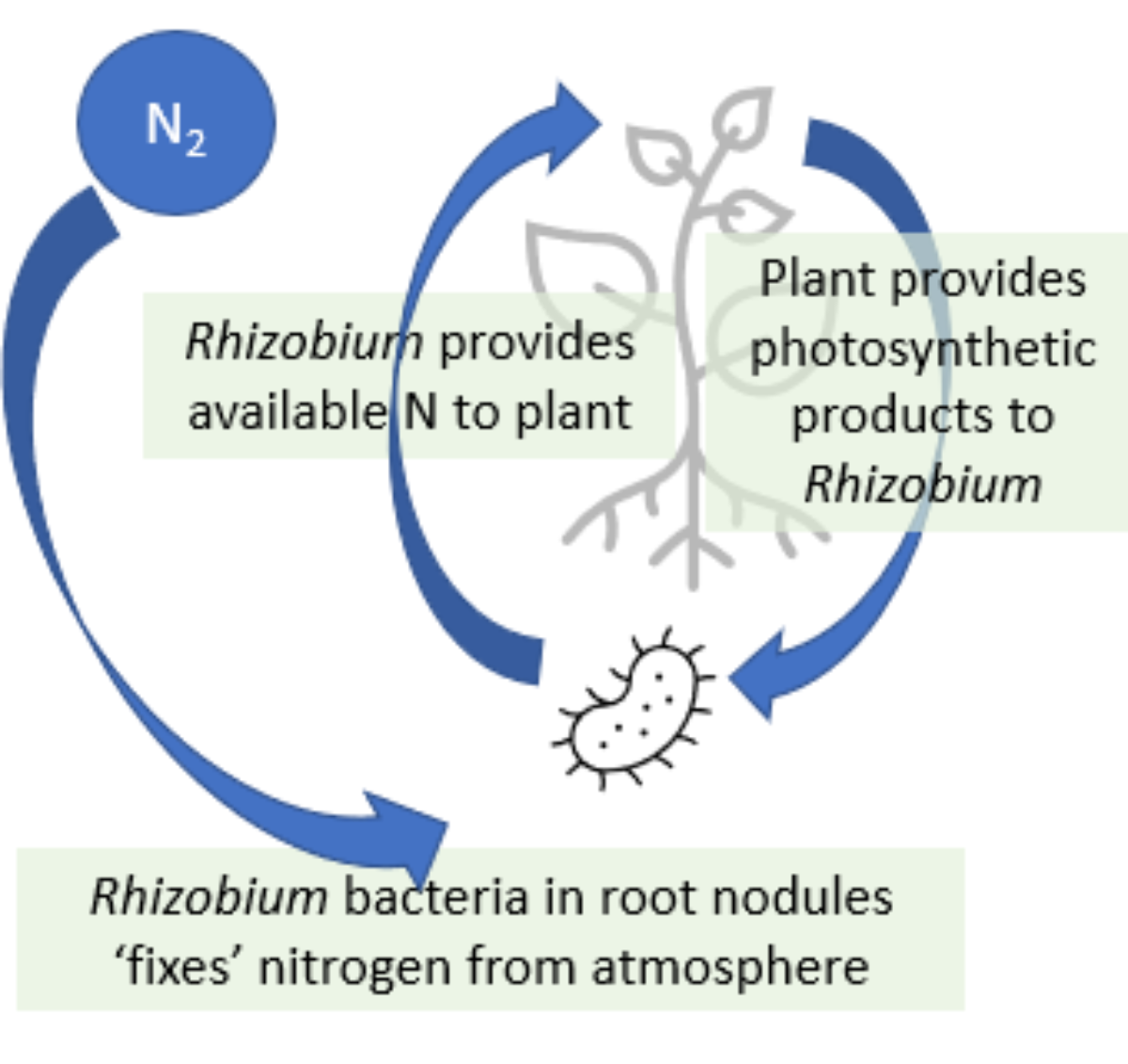
Nitrogen fixation cycle
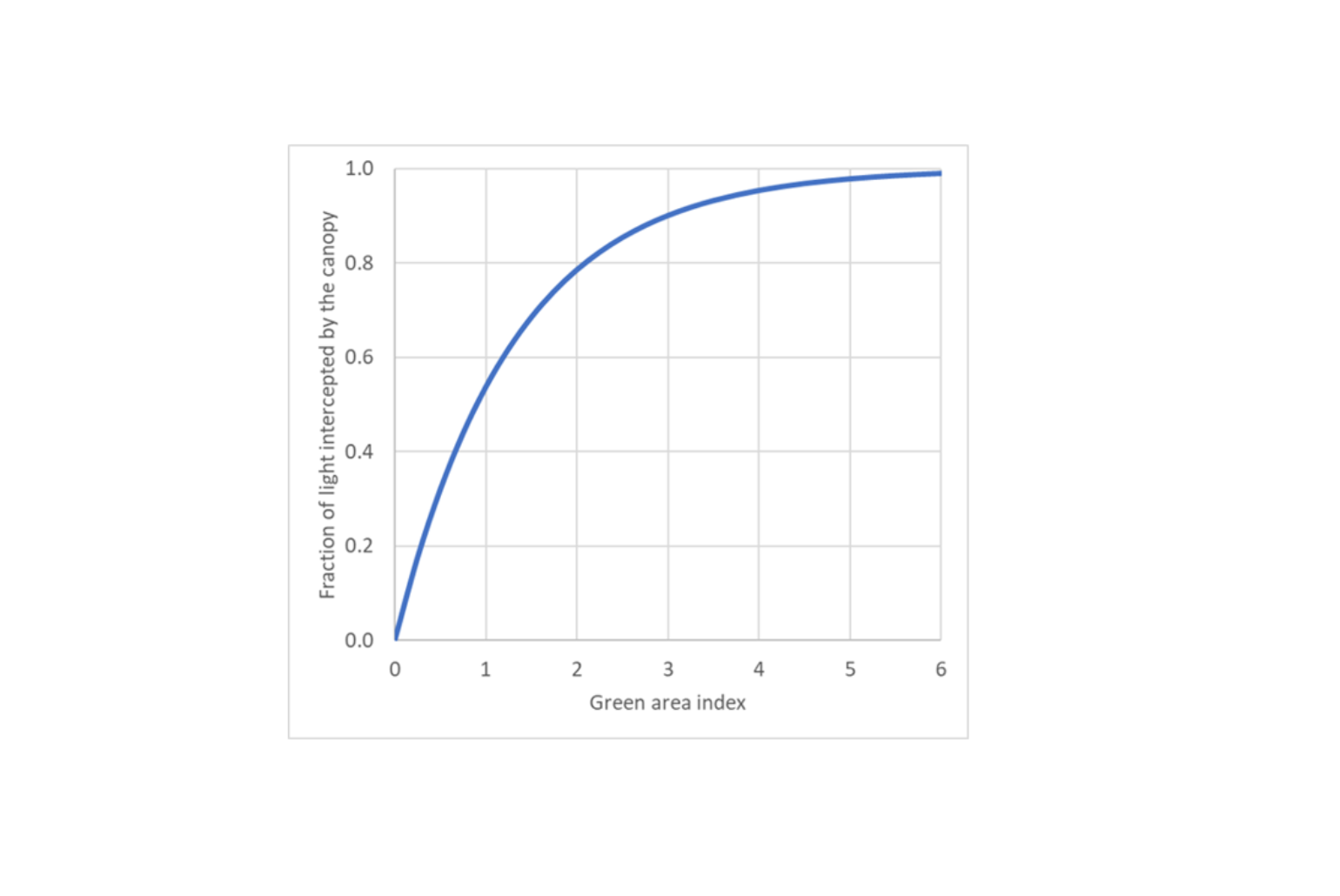
Canopy size can be expressed as Green Area Index (GAI) – the ratio of total green area (one side only) to the ground area occupied.
The size of the GAI required for light interception depends on how erect the green tissues are. Crops with more erect leaves need a larger GAI to intercept light.
A GAI of 3 to 4 units should be sufficient for a crop to intercept 90 to 95% of incident light (Figure 4). It will be important to reach this canopy size by flowering to help ensure pod numbers and seeds per pod are maximised.
The crop requires approximately 30 kg N/ha to build each unit of canopy, so will require 90 to 120 kg N/ha for light interception.
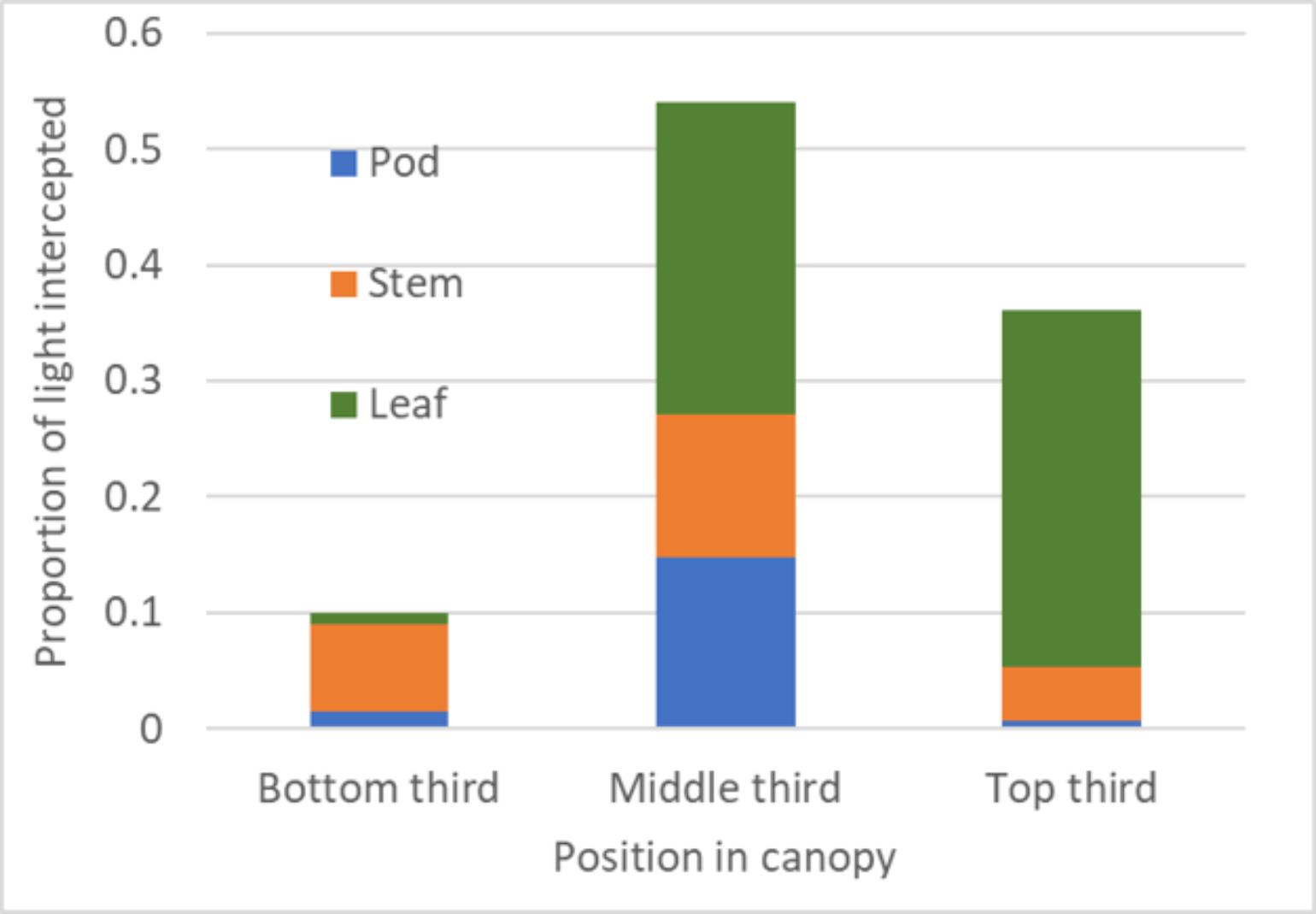
During grain filling the growing bean seeds have a high demand for N which comes from current N fixation, uptake of soil mineral N and relocation of N from the canopy. Crops with a high yield potential may benefit from growing a larger canopy than is required to intercept 90-95% of light to help meet the N demand of the seed.
During early grain filling, the top two thirds of the canopy intercept 90% of the light, with leaves intercepting almost 60% of total light (Figure 5). This emphasises the importance of mainlining healthy leaves for as long as possible during grain filling.
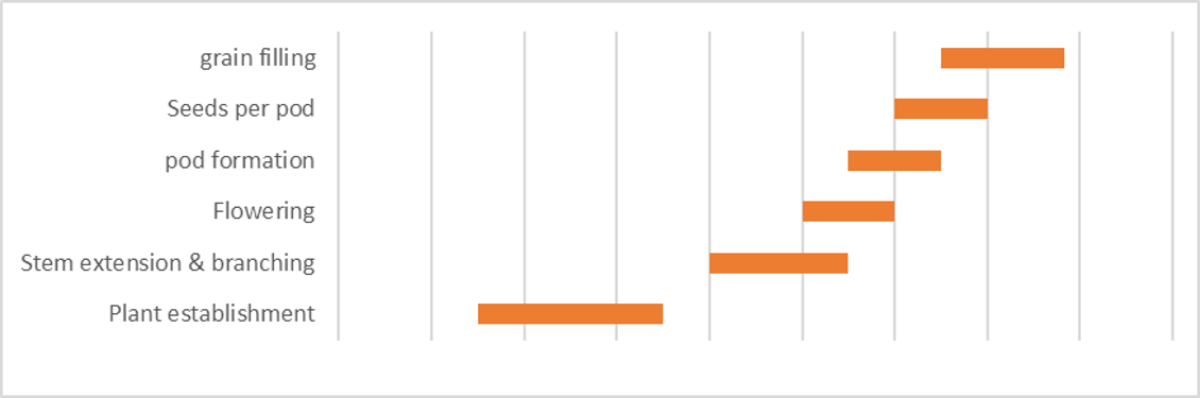
Yield component development of spring beans through time
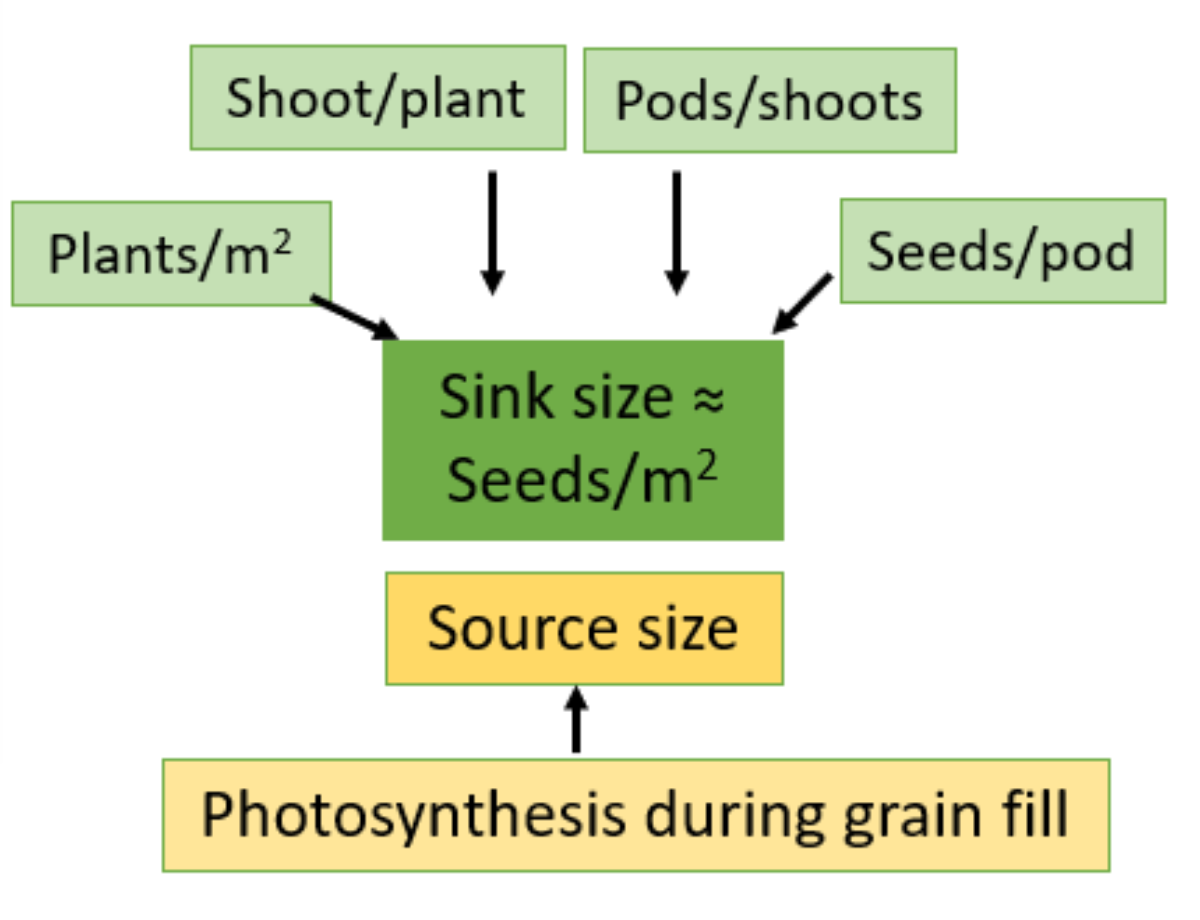
The principal components of yield are seeds/m2 and seed size. Seeds/m2 results from a combination of plants/m2, shoots per plants, pods per shoots and seeds per pod.
The development of each yield component occurs during different phases of growth, which means analysis of these characters can indicate when a crop may have been positively or adversely affected by management or conditions.
Unlike cereals, beans are semi-determinate and can continue vegetative growth after flowering. This means there is often substantial overlap and competition between the growth phases of each yield component (Figure 6).
Determined by seed rate and establishment.
Determined during stem extension and influenced most by plant spacing and water supply. Winter beans often branch more than spring beans.
Related to number of nodes per shoot which may be related to plant height and the conditions during stem extension. Flowers from these nodes may be aborted under stressful conditions such as high temperatures, drought or dull conditions. Variety may affect the importance of self- vs insect- pollination for pod.
The potential number for seeds per pod is set following flower fertilization and is sensitive to the amount of photosynthesis.
The stem & bulb nematode has become a major pest in field beans, causing severe problems in wet seasons particularly where infected farm-saved seed has been used. The pest can be seed or soil-borne, therefore ensuring seed is tested and a long rotation is maintained are important IPM techniques to reduce the risk of infection.
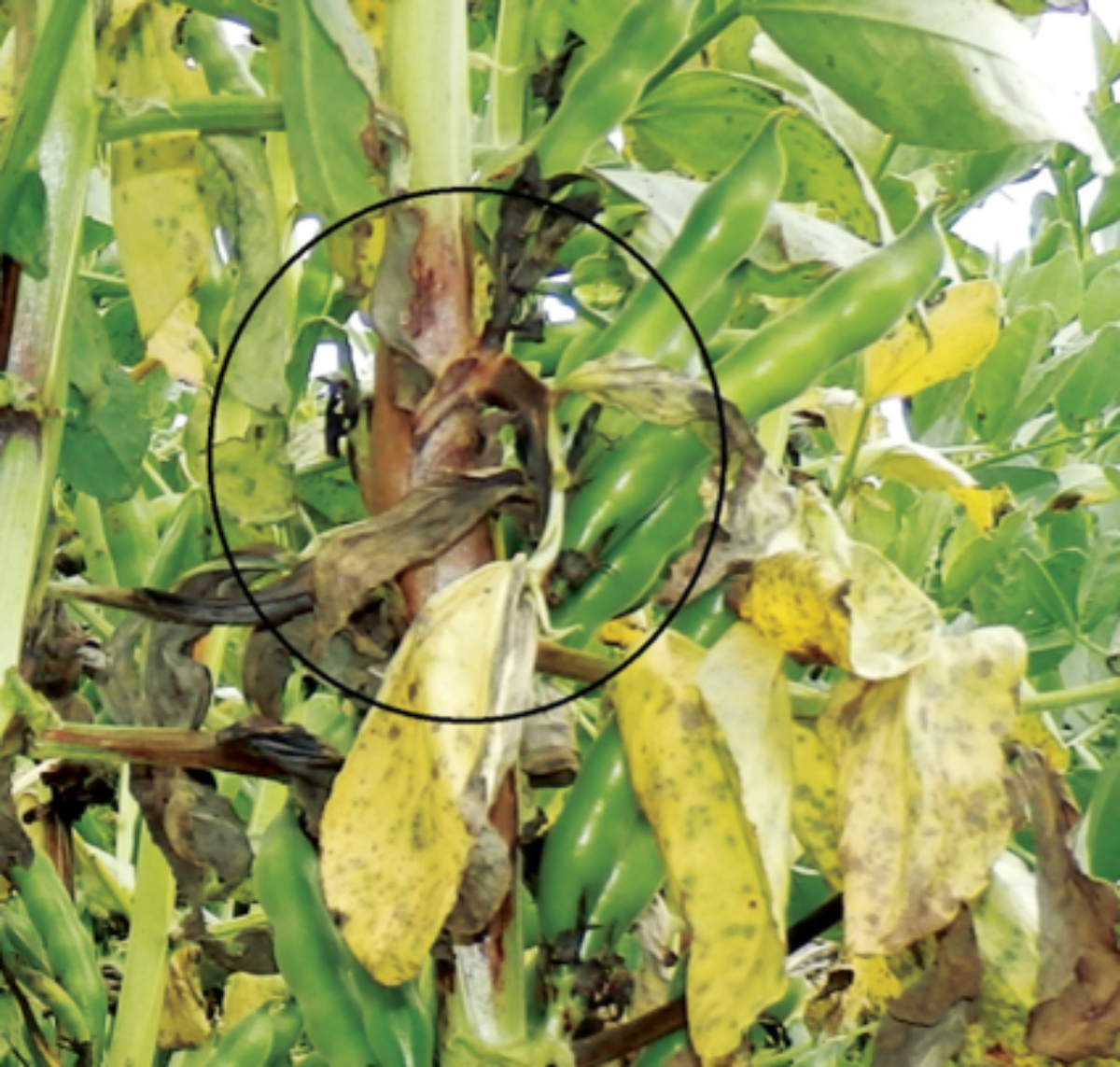
Damage from the stem & bulb nematode is not initially apparent, usually becoming most noticeable around the flowering stage. Plants may appear stunted with thickened and twisted stems. Leaves can be thickened and brittle with a bronze discolouration in the leaf petioles. Later, stems may turn a browny red colour and swell, twist and break. Pods tend to fill unevenly and seeds are poorly developed, becoming black and shrivelled as they mature. Affected plants may be isolated or in larger patches of the field. Isolated occurrences are more indicative of an infested seed source whereas patches throughout the field are more likely to suggest a soil infestation. Seed and soil testing for stem & bulb nematode are now available from PGRO.
Seeds/m2
A function of plant number, shoots per plant, pods per shoot and seeds per pod. Seeds/m2 determines the sink size of the crop.
Seed size
The potential seed size is set after flowering and is sensitive to photosynthesis during this period. The seed's ability to reach its potential size is determined by the rate and longevity of photosynthesis during grain fill.
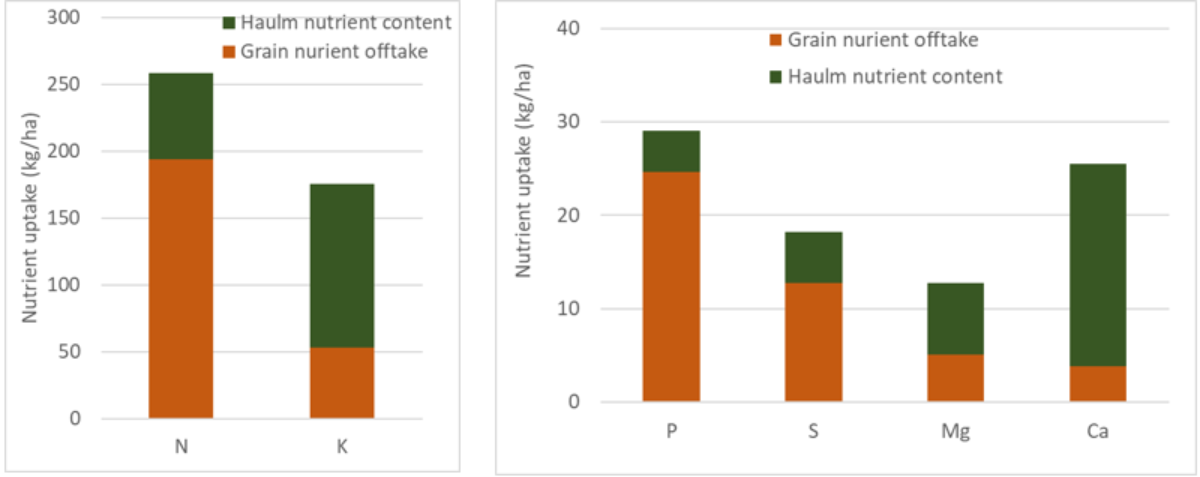
Nutrient uptake for a bean crop yielding 5 t/ha (15% moisture)
The proportion of nutrients partitioned between the seed and the haulm varies considerably by nutrient. The plant partitions a greater proportion of nutrient uptake to the seed for phosphorus, nitrogen, zinc and sulphur, with less portioned to the seed for calcium, boron, potassium and iron.
The amount of nutrients taken up by a bean crop yielding 5 t/ha are about 250 kg/ha for N, 180 kg/ha for K, 30 kg/ha for P and 18 kg/ha for S.
Nutrient offtake (kg/ha) = average nutrient concentration (%) x average yield (t/ha)
Diagnosing nutrient deficiencies
The nutrient concentrations in the grain are important to consider at the end of a growing season to help assess if the supply of nutrients was deficient (either due to inadequate supply or inability of the root system to access nutrients) or a nutrient surplus – and therefore whether there could have been environmental and financial benefits from applying fewer nutrients.
The following environmental and husbandry factors have been identified as being influential for encouraging multi-noded, late maturing ideotypes, which lead to higher yields:
Temperatures, light and rainfall are critical in the four days following flowering for flower retention and pod set. High temperatures at fertilization can reduce self-pollination and cause flower abortion. Having multi-noded stems with more pods will prolong the period of flowering, helping to insure against adverse conditions.
Although bean crops can self-pollinate, fertilization is improved by a greater abundance of pollinators. It is also possible that there are varietal differences in fertility.
Water limitations can have negative implications on many aspects of yield formation. Encouraging deep rooting is key to good water capture, which can be aided by limiting soil compaction, good seed bed conditions and good soil structure throughout the soil profile.
Maximising green canopy duration is key to maximise the capture of sunlight.
Unlike other combinable crops, beans do not necessarily require a fine seedbed; slightly cloddy conditions will be tolerated. However, to get the best efficacy out of any residual herbicides, a well consolidated seed bed will be advantageous. Beans are large seeded and require adequate moisture to germinate, so good seed to soil contact is essential. Although less sensitive to compaction than peas, PGRO suggest that soil compaction can reduce yields by up to 40%. Compaction results in poor root development and if there is a high soil moisture deficit, this can exacerbate plant stress.
To avoid soil borne diseases, it is advised that legumes are grown no more than 1 in 5 years.
Drilling depth seems to have a significant correlation on establishment and overall yield. PGRO recommend that drilling to a depth of 7.5-12.5cm provides the best establishment. This is supported by three years of BASF survey data, which showed a yield uplift of 0.4t/ha above the average for growers who drilled to a depth of 10-13cm.
It is important that beans go into the right conditions, so have patience to wait ‘til the time is right. Spring beans forced into poor conditions such as cold and damp seed beds will not thrive. Ensuring there is adequate moisture and the seed is well covered, with good soil to seed contact will give it the best start.
Seed should be tested for germination, pests and diseases. For germination, you are targeting 80% or above and for pests, you are looking for seed completely free of stem nematode. Seed should have no more than 1% Ascochyta fabae as this seed borne disease can be extremely damaging to the crop. It is also worth noting the moisture content and any physical damage to the seed as this may also affect establishment. Seed tests are available from PGRO.
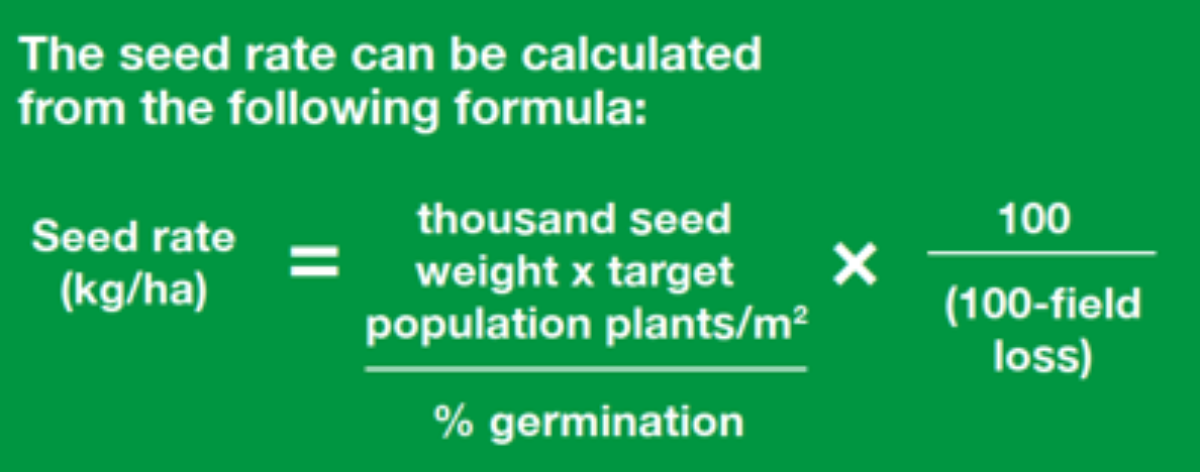
For winter beans, the target plant population is between 18 – 28 plants/m2, depending on variety. For spring beans, the recommended seed rate is 50-55 plants/m2 or 40 plants/m2 on very fertile land.
Keeping the crop clean and free from disease throughout its growing period is the best way to ensure maximum yield is maintained. Below are a few of the key early-stage diseases to look out for.
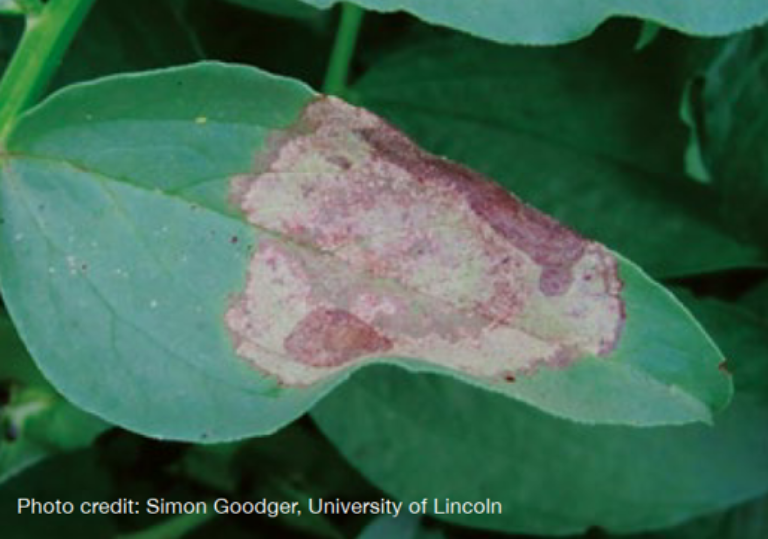
Downy mildew is predominantly an issue on spring beans, where it causes greyish-brown, felty growth on the under-surface of the leaves. The disease favours cool, humid conditions which are often felt in late spring. It is important to look at the disease rating on the PGRO Descriptive List of Varieties, which ranges from 1-9, with some varieties having high resistance to the disease.
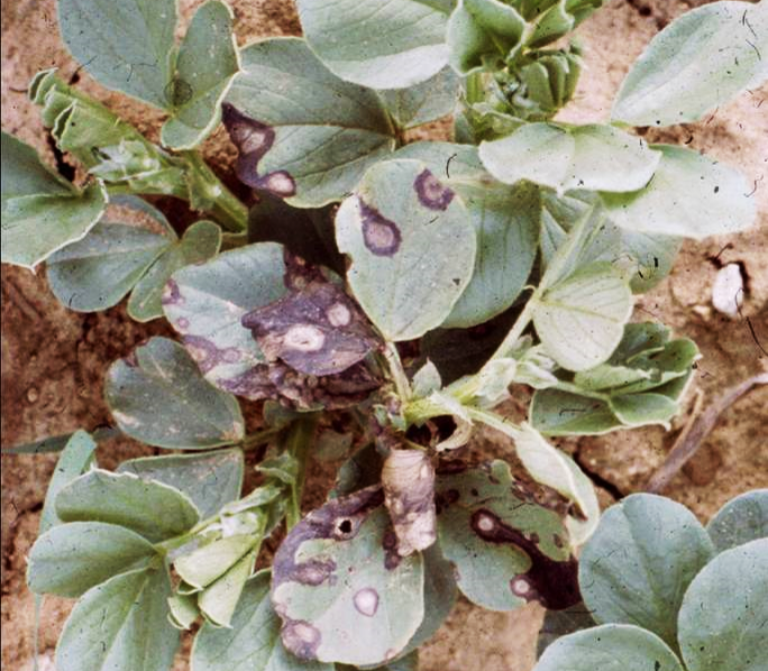
Leaf and pod spot is primarily a seed borne disease, so using certified or tested seed is the best way to prevent infection. Whilst the disease is seed borne, air borne spores can also cause infection, so if growing winter beans in close proximity to the previous year’s crop then it is important to look out for early signs of infection.
Lesions are greyish-brown, circular to oval in shape and often develop a lighter grey centre. Small, pin-prick sized dark pycnidia form in the centre of the lesion. As the name suggests, lesions can spread from the leaf onto the stem and pod surface, where they appear sunken and dark in colour. This type of infection can also blemish seeds inside the pod.
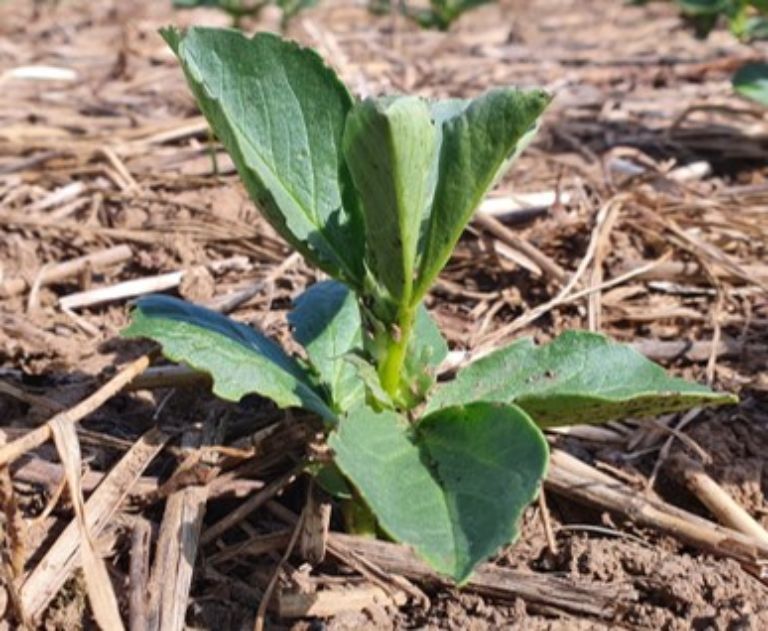
Pea and bean weevils are active in early spring when they migrate in from grassy, uncultivated field edges of fields previously cropped with legumes.
They begin feeding on plants, leaving characteristic ‘u’ shaped notching around leaf edges. Whilst feeding, eggs laid by the female weevil are washed into the soil around the stem base and produce larvae. It is these larvae which begin feeding on the root nodules which can be particularly damaging.
Insecticide sprays can be applied at the first sign of leaf damage and repeated after 7 – 10 days.
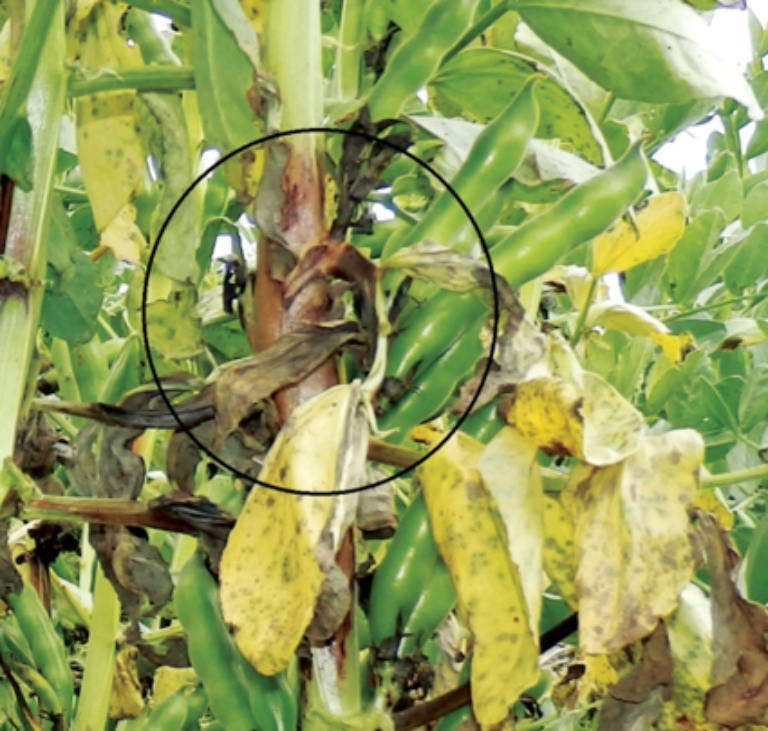
The stem & bulb nematode has become a major pest in field beans, causing severe problems in wet seasons particularly where infected farm-saved seed has been used. The pest can be seed or soil-borne, therefore ensuring seed is tested and a long rotation is maintained are important IPM techniques to reduce the risk of infection.
Damage from the stem & bulb nematode is not initially apparent, usually becoming most noticeable around the flowering stage. Plants may appear stunted with thickened and twisted stems. Leaves can be thickened and brittle with a bronze discolouration in the leaf petioles. Later, stems may turn a browny red colour and swell, twist and break. Pods tend to fill unevenly and seeds are poorly developed, becoming black and shrivelled as they mature. Affected plants may be isolated or in larger patches of the field. Isolated occurrences are more indicative of an infested seed source whereas patches throughout the field are more likely to suggest a soil infestation. Seed and soil testing for stem & bulb nematode are now available from PGRO.
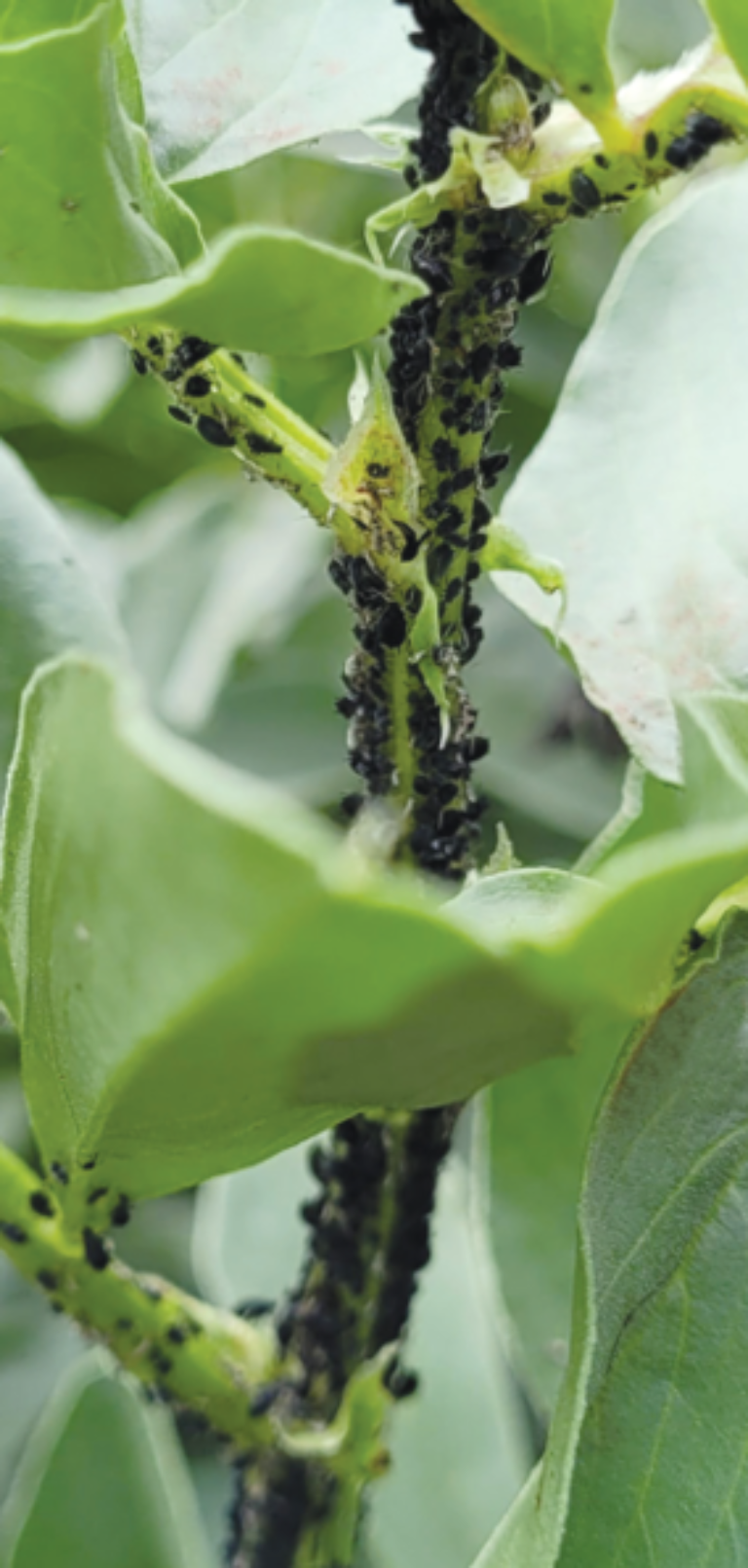
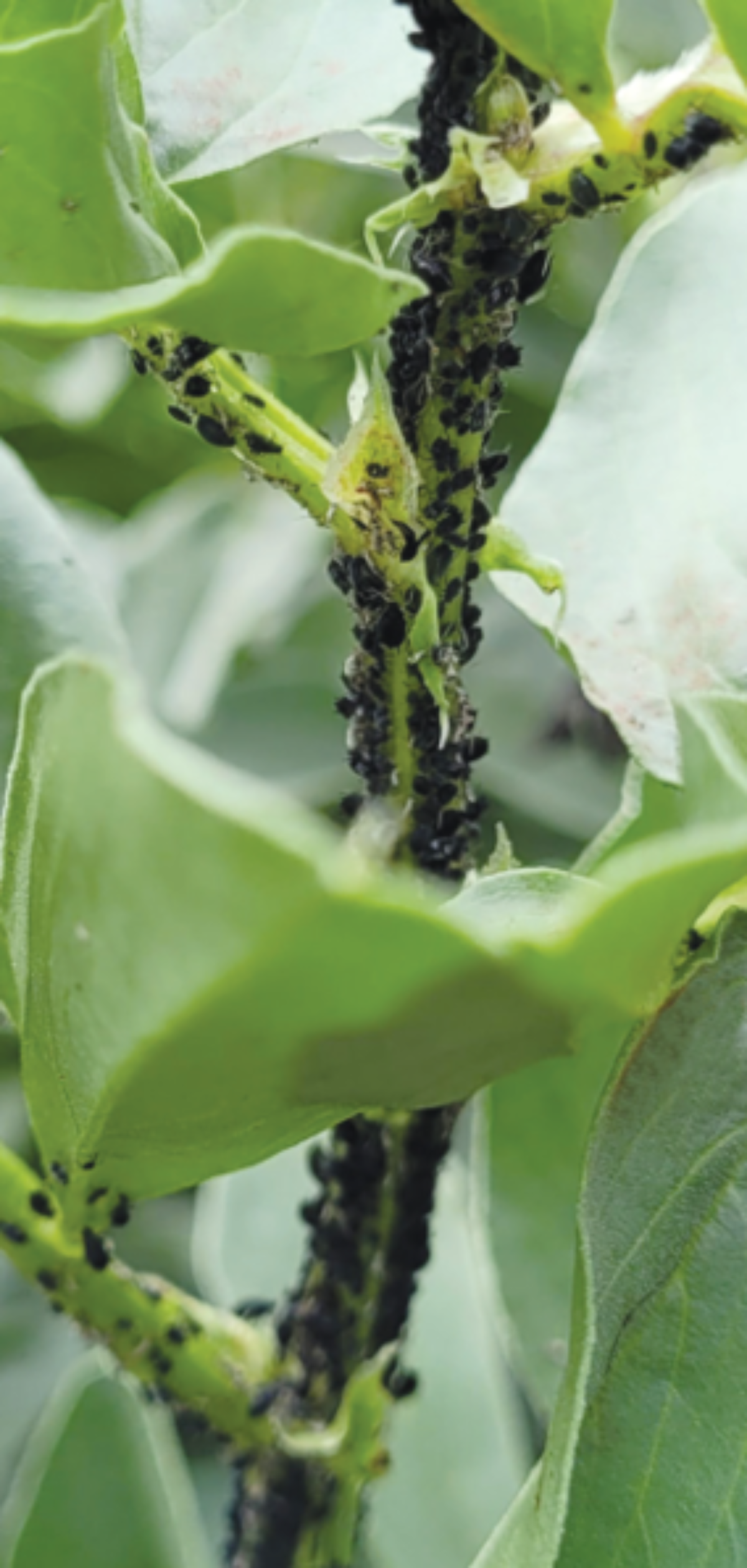
The black bean aphid can be very damaging to field beans if colonies develop prior to flowering. Spring-sown crops are usually more likely to suffer
damaging attacks than winter beans. Damage is usually as a result of direct feeding; plants fail to develop and pods do not fill normally.
The honeydew produced from the aphid feeding can also result in secondary moulds and diseases infecting the plant, including chocolate spot. The black bean aphid can also act as a vector for viruses such as the bean leaf roll virus.
The winged aphids migrate into the crop in early summer and once established in the crop, can produce several wingless nyphs each day. Whilst easy to control with aphicides, due to their concurance with the crop flowering, it is important to consider options which are not harmful to pollinating insects. Applications made at early flowering or when 5% of plants are infested reduces infections of aphid-transmitted viruses.
BLRV is aphid-transmitted and both the black bean aphid and pea aphid are vectors. Usually infection is more obvious where aphids infest the crop before flowering. The pea aphid is more likely to move into beans at this time. Control of early invading aphids is essential to prevent virus infection.
BYMV develops in beans at any time before flowering. Leaves are crinkled and may become pointed. Vein clearing can develop and the plant is slightly stunted. It is similar to Pea Enation Mosaic Virus (PEMV) but without the translucent spotting and streaking on the leaf surface. The virus is aphid transmitted and common in field beans. Infection may be on individual plants or groups of plants and, depending on severity, yield can be severely reduced.
Pea aphid is the principal vector, although black bean aphid can also transmit the virus. Early control of aphids in flowering bean crops is the most effective means of preventing virus infection.
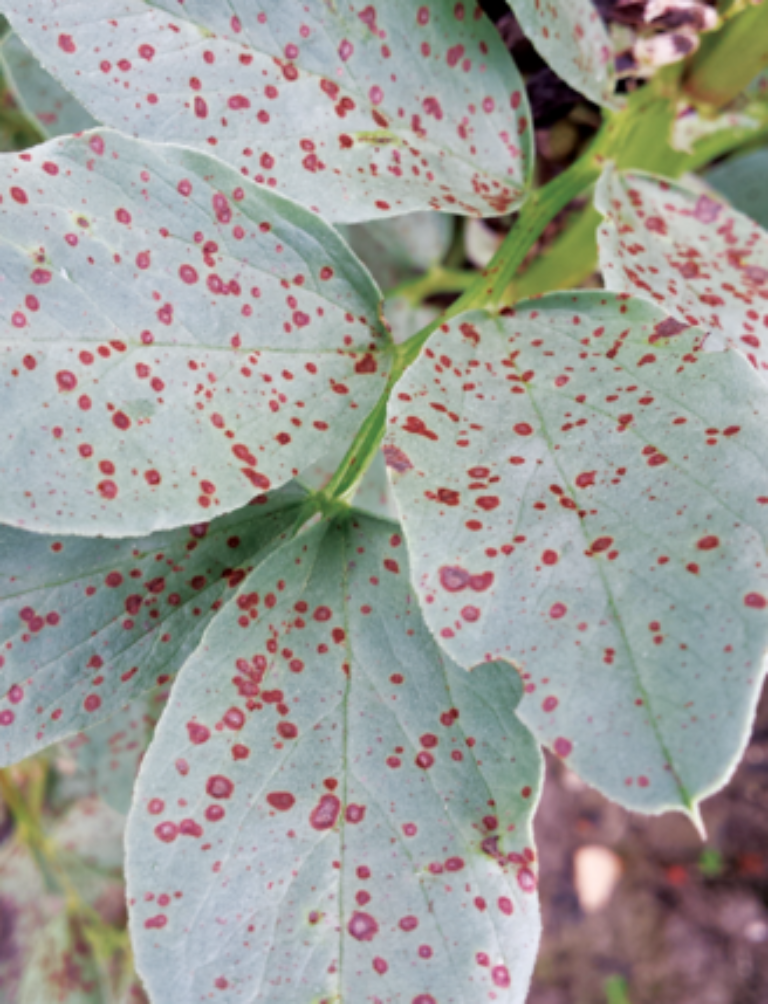
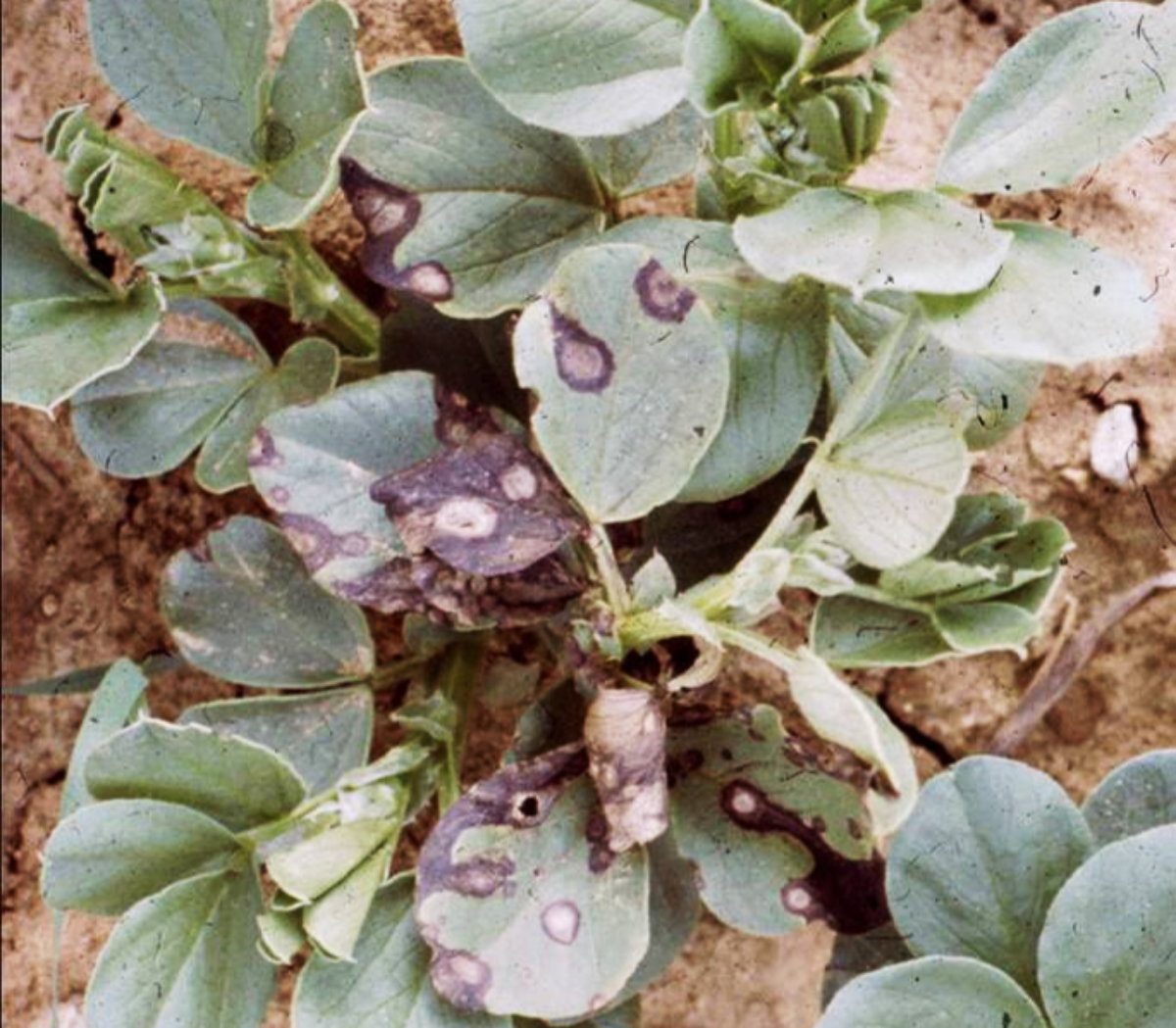
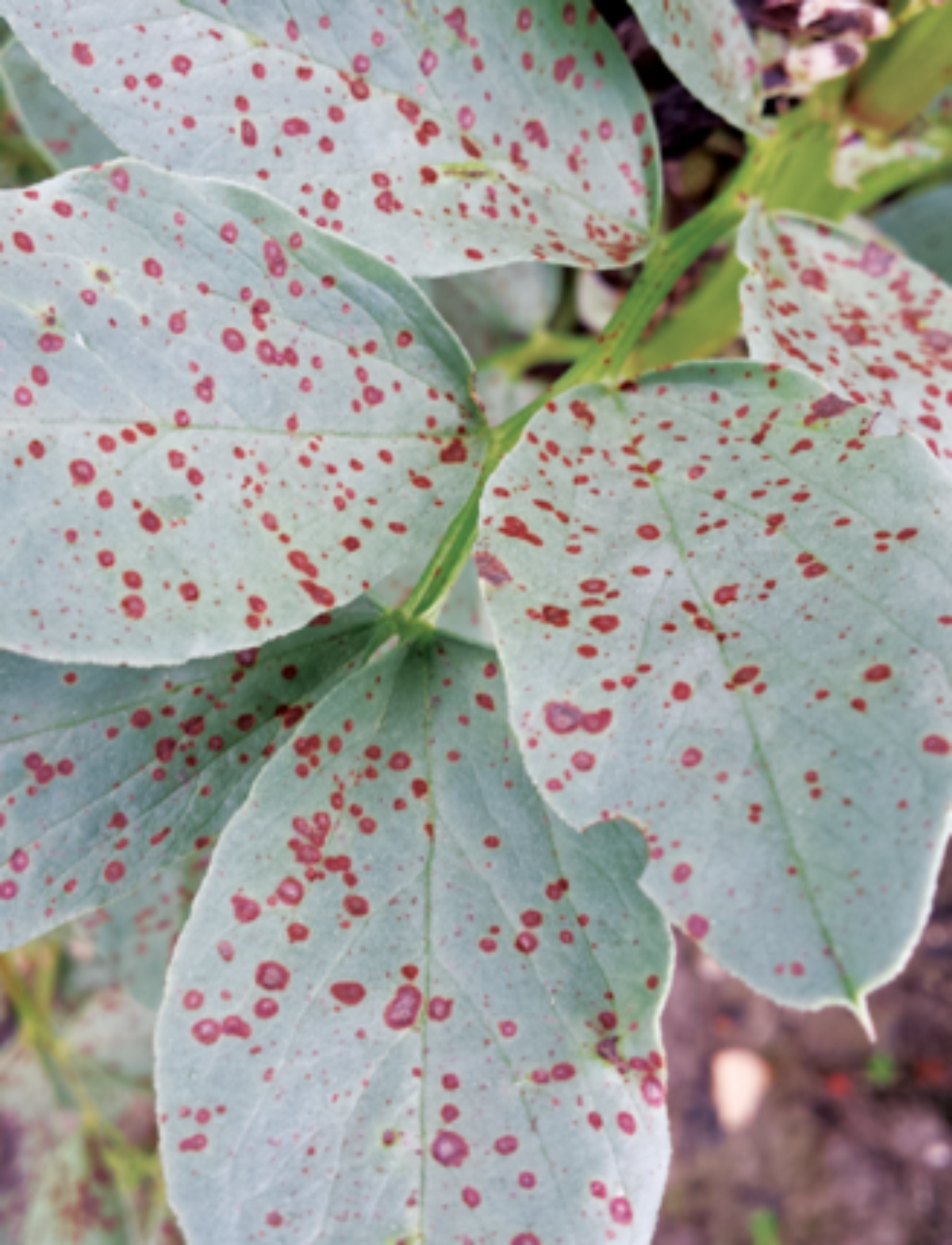
Chocolate Spot can be an extremely yield robbing disease. It is estimated to commonly cause yield losses of 25%, but in conducive conditions yield losses can reach 90 – 100%.
Thriving in long periods of overcast and humid weather conditions, the disease can spread rampantly, especially where plant populations are high. ADAS research suggests that temperatures of 15 - 22ºC and high relative humidity of >80% are most favourable for the disease, with rainfall and wind also helping spore dispersal and disease spread. Winter beans are most susceptible, however spring beans can also develop Chocolate Spot during humid conditions.??The disease develops as small, circular, chocolate coloured spots on infected leaves. These become larger and may coalesce to form a greyer coloured lesion extending over the leaf surface. Stems and pods can also develop a covering of spots or flecks.
Severe infections can result in defoliation. Protectant fungicides should be applied as soon as the first lesions appear in the crop or by mid-flowering at the latest. A second spray should be applied 3-4 weeks later if spotting continues to develop on the upper parts of the plant. A third spray is seldom required as sprayer damage can cause more yield loss than late infection of Chocolate Spot.
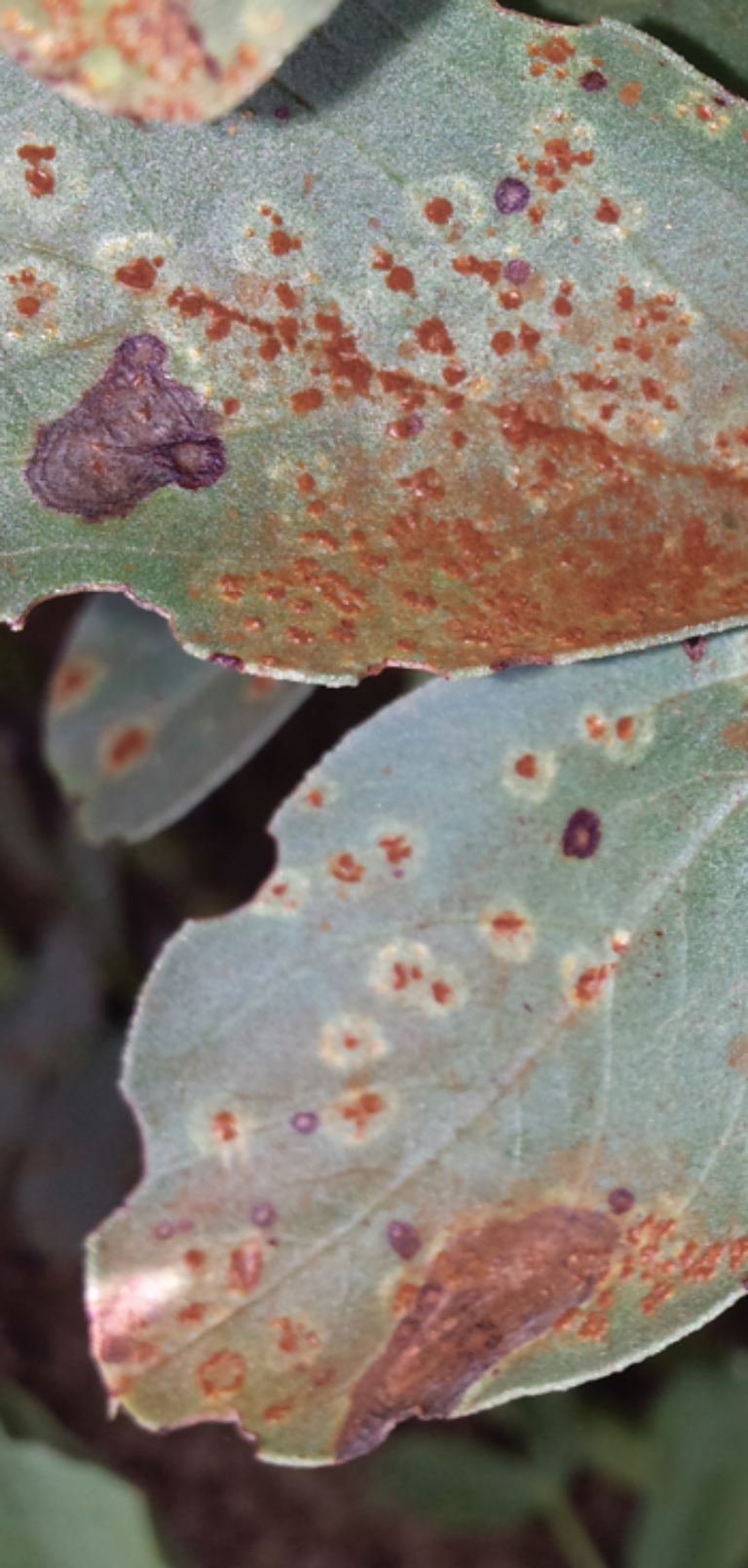
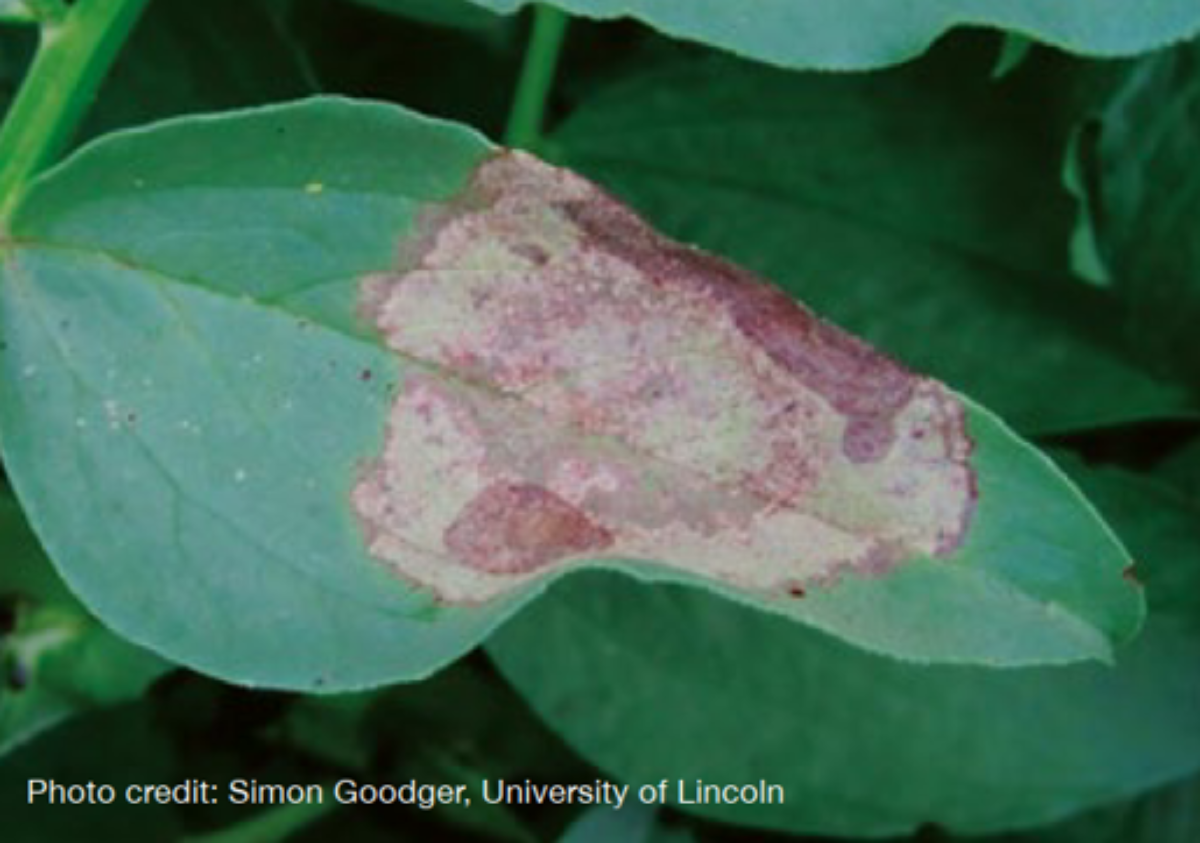
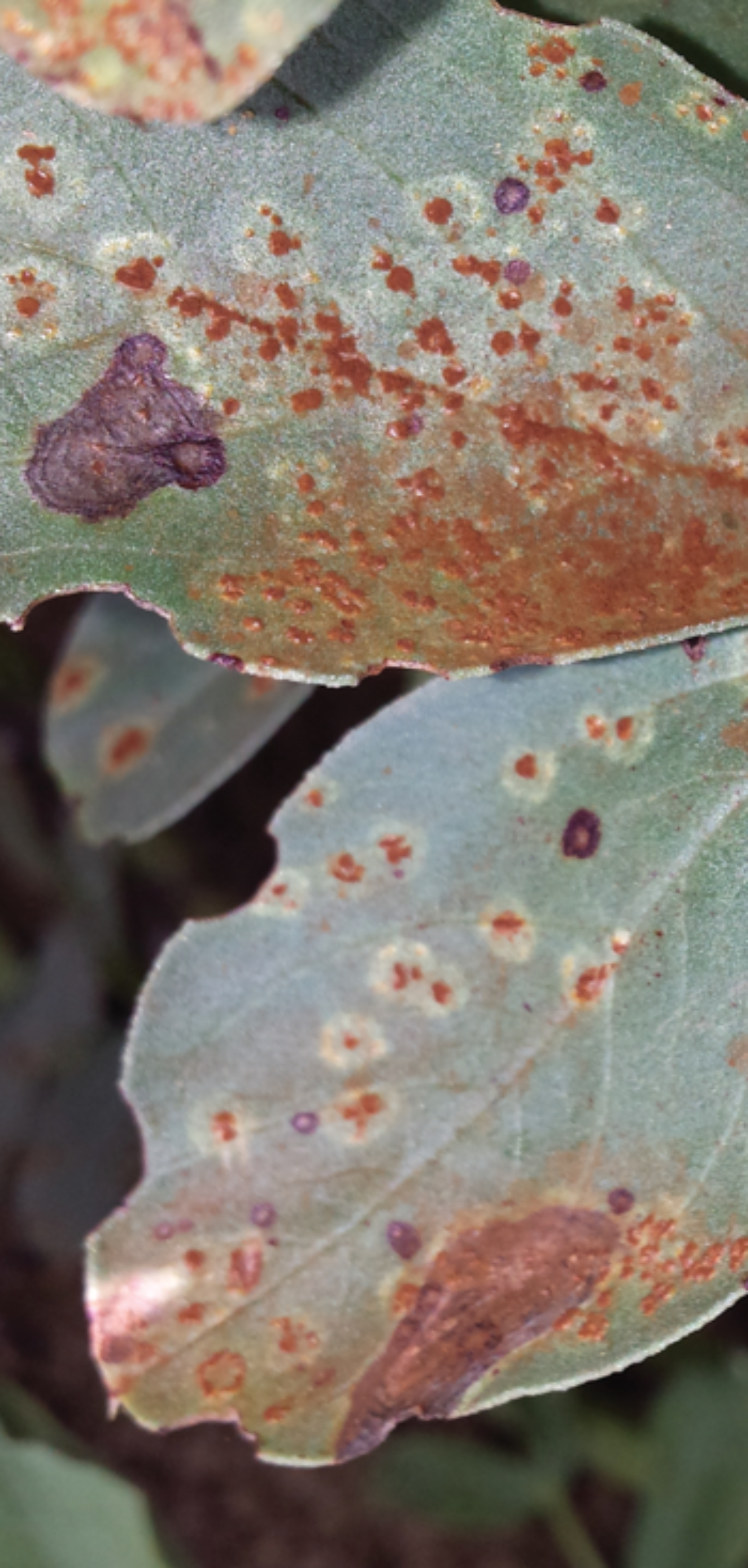
The disease is characterised by numerous reddish-brown pustules on the leaves. It is more serious on spring beans and all varieties are susceptible. Most damage occurs if infection begins during flowering and pod set. Various fungicides are effective for Rust management and may improve yield etc. in either winter or spring beans, but treatment is unlikely to be worthwhile if infection begins when pod fill is complete and the crop is beginning to senesce.
Bean harvesting dates will depend upon weather, variety and crop location, but spring-sown crops are often earlier to mature than winter ones.
Bean leaves usually fall during ripening and a desiccant has little effect on stems, so weed-free crops are not normally desiccated. If the crop is very weedy or has a few small late-set pods which are still green, a desiccant can aid harvesting.
Glyphosate is the only fully approved product for pre-harvest weed control, but is not a true desiccant. It should not be used on crops destined for seed production.
It should be applied when at least 90% of pods are dry and black and most seed is dry. Bean pods blacken and seed becomes dry and hard first, but stems usually remain green for longer.
The pods will be easily threshed and the seed fit for combining at 18% moisture content (MC) but, to avoid combine blockages, it is best to wait until only a small percentage of green stem remains.
If the seed is very dry, it may be damaged and seed crop quality may be reduced. If the crop is likely to shell out, losses can be reduced if the beans are combined when slightly damp in the early morning or evening.
Storage in dark areas is recommended for beans destined for the human consumption market in order to delay the development of tannins which cause beans to discolour.
The quality standard ex-farm is usually 14% MC and 2% impurities, or a combination of the two should not exceed 16%. Merchants may accept beans at 16% MC.
Beans must be dried down to 14% MC for long-term storage in bulk. This is important since beans are often stored for some time before they are sold.
The large seed size of beans makes drying difficult as beans have a low resistance to air fl ow. It takes time to move moisture from the inside to the outside and slow, gentle drying with ambient air is best. Mouldy produce is unacceptable for animal feed or other markets.
Where high quality is important, high temperatures in continuous flow driers should be avoided since they may cause cracking.
Floor ventilated bins are also suitable. When the initial moisture content is high, transfer of beans from bin to bin and the use of warmed air together with adequate ventilation may be necessary to avoid mould developing
in the upper layers. Radially ventilated bins allow faster drying than floor ventilated bins but care must be taken not to overheat the beans. On-floor drying using ambient or warmed air is also successful, but care must be taken not to load beans too deep if moisture content is high and if lateral ducts are spaced wider than 1m.